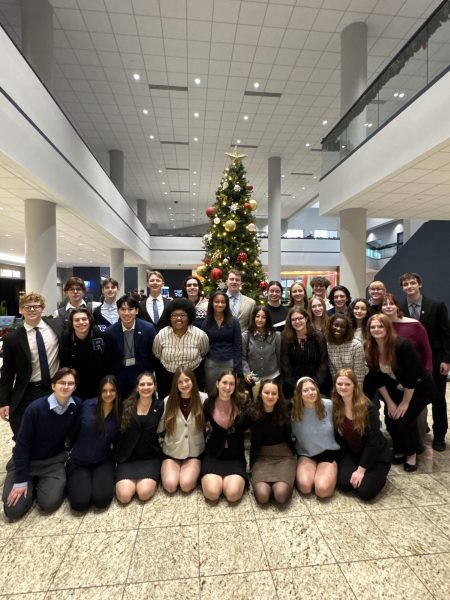





Model UN allows students to debate real world issues, and is a hands-on way for students to learn about the United Nations, develop resolutions to global issues, and represent countries whose positions may be far different from their own. The group’s latest conference, GLIMUN, took place in Kalamazoo from December 3 – 6.
Preparing for the conference required students to write short essays, explaining their assigned country’s stance on world issues that were discussed. Sophomore Julia Serraiocco, who represented Pakistan, explained that early notice and spending time with her topic allowed her to prepare effectively.
“We were given our country matrix around a month and a half beforehand, along with the committee each person would be assigned to,” she said. “This helped me have a clearer understanding of my topics and the issue I was trying to resolve through a resolution.”
Serraiocco’s topic was Criminal Accountability of UN Officials, and The Responsibility of International Organizations.
“I kept bullet points and made sure to format my information in a way which would allow me to understand everything in the near future, underlining the countries’ past actions, bolding their stances, etc.” she said.
Senior Abu Rayyan Abu Azrine represented the Republic of India, and focused on nuclear warfare and reducing recruitment of terrorist organizations. He explained that he spent time “looking on websites like CIA fact books and making sure [his] speeches were clear and consistent assuring [his] message was direct and coherent.”
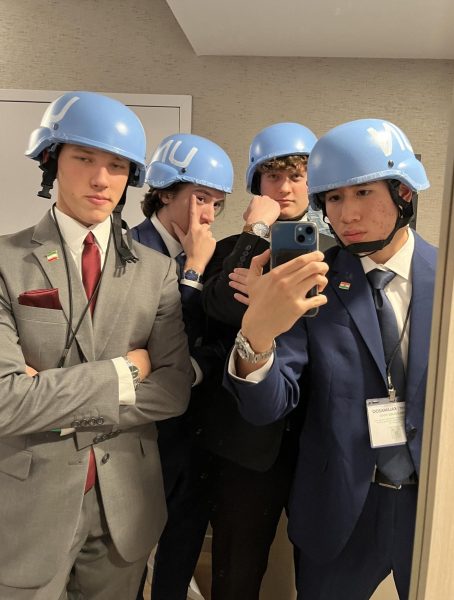
Teamwork was central to Abu Azrine’s experience because students work in delegations of three, representing the same country, then all come together at the end of the conference to vote and come to their resolutions.
“We worked together as a delegation,” Abu Azrine said.
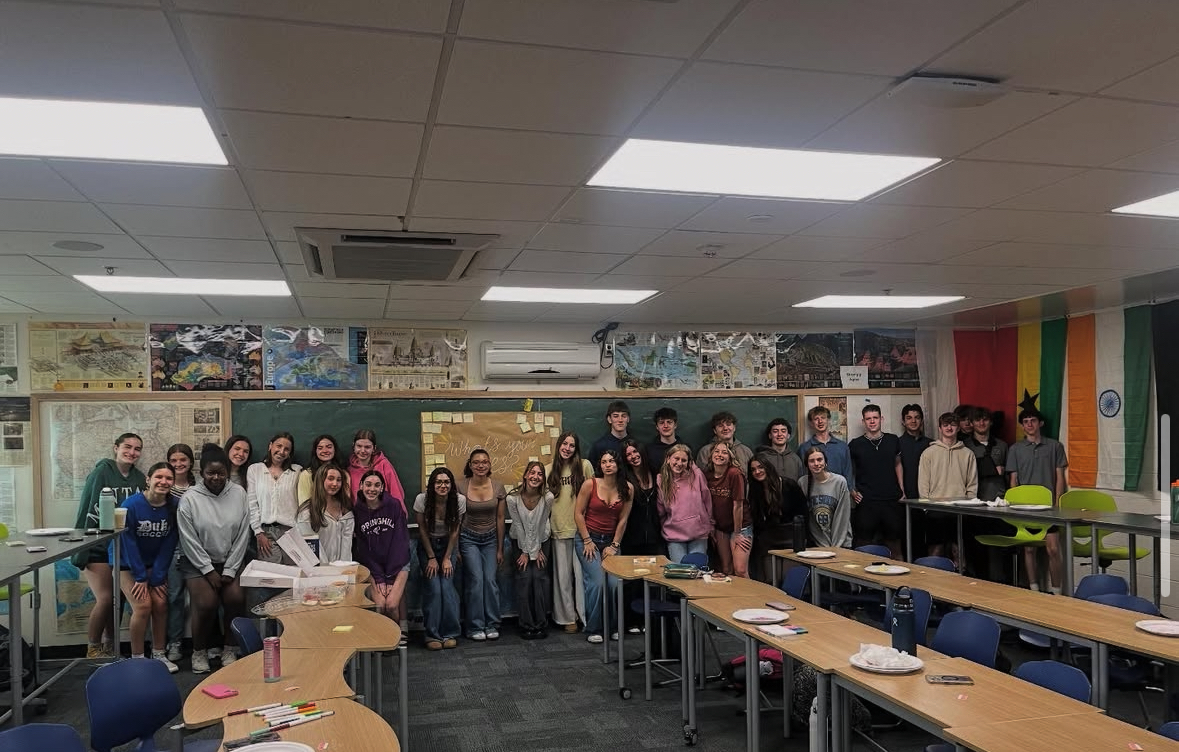
Abu Azrine emphasized that MUN focuses on students collaborating and coming together to represent Royal Oak as a united group, demonstrating that Model UN is just as much a community driven organization as it is academic.
MUN Secretary-General Lydia Lawrenson, emphasized that Model UN is more than just a debate club; it is an opportunity for students to engage in discussions that they may never have found themselves in regarding political issues.
“Model UN is essentially a club for anyone who’s interested in politics and world issues and learning about geography. You go to this conference as an ambassador, as a diplomat from this country, representing [that country], and you debate world issues based on that country’s standpoint,” she said.
Lawrenson explained that taking on these roles may cause students to argue something that they don’t fully stand behind, which “gives you a really interesting take on all sorts of world issues,” and gives the delegates a different lens to look through when arguing.
Lawrenson represented Iran in the Disarmament and International Security Committee, where she debated nuclear disarmament policies and the reduction of terrorist recruitment. Lawrenson explained that because GLIMUN was a four-day conference, preparation was harder.
“Preparation included Google Docs, country research, a lot of Googling and using credible sources, and making sure that everything I’m saying is correct,” she said.
Lawrenson also noted the importance of recognizing bias in sources, explaining how delegates must “do the right research in the right places” to make sure they are accurately representing their country.
Aside from the debates, members also highlighted moments that made the conference special. Serraiocco’s highlight was seeing all the hard work pay off.
“Being able to see the dedication and all the work everyone has done beforehand pay off as we finally come up with and pass a resolution in committee is always delightful,” she said, adding that there was also excitement in reconnecting with alumni.
“You’ll really find a home, family, and community in ROMUN,” Serraiocco said.
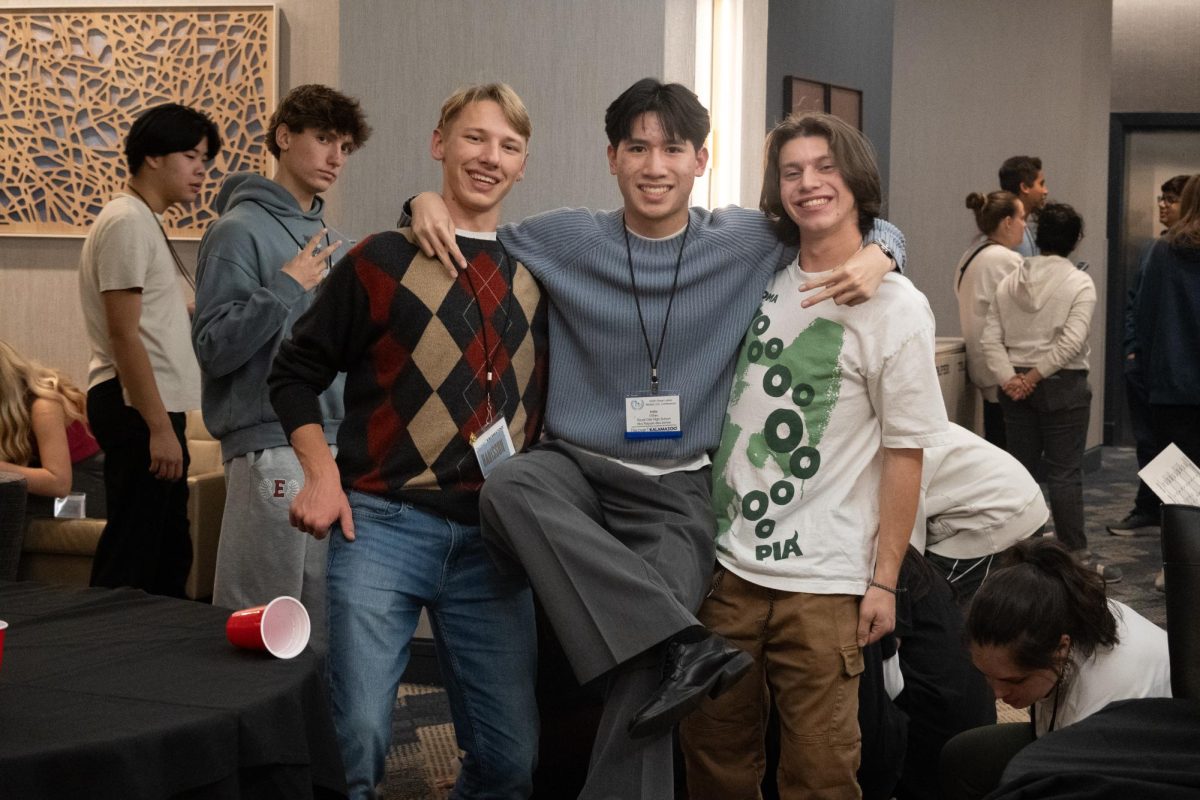
Abu Azrine pointed to the delegate dance as his favorite memory.
“Lots of memories were made that night,” he said, describing the chance to connect with his fellow delegates outside of a formal situation and relax.
Lawrenson also appreciated the social aspects of the conference during the four days, saying that “rooming together, planning meals together, and exploring” allowed delegates to build friendships and strengthen their teamwork throughout the conference.
In the end, GLIMUN served as a challenging academic experience and a meaningful trip for students, whether through individual intensive research, collaborative debate, or team bonding and shared memories. GLIMUN also revealed the students’ growth and dedication.
“MUN is a community,” said Serraiocco, who explained that the conference did not just allow the students to debate global issues, but form lasting friendships and learn about the world around them.