




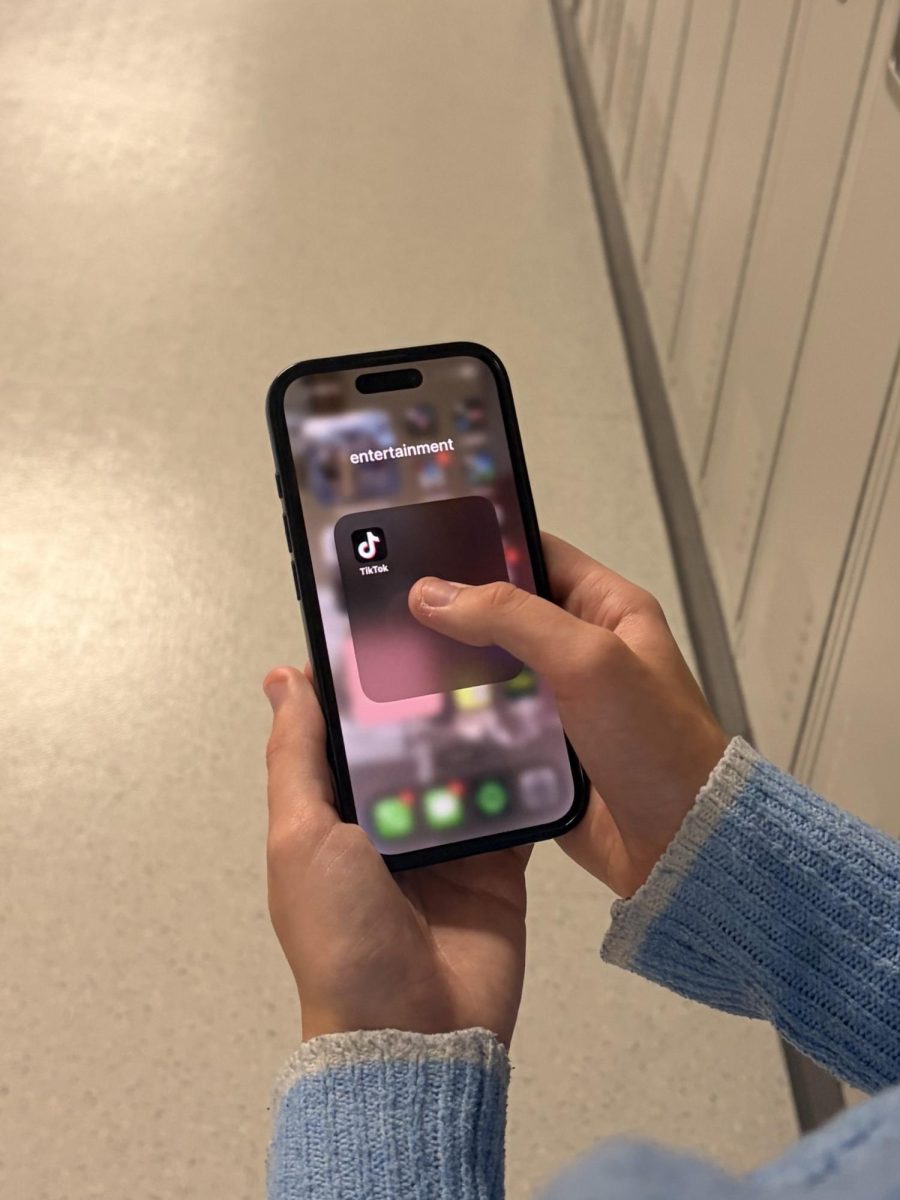













In our increasingly digital world, social media plays a vital role in our lives. TikTok, once just a fun app, has become a serious topic as it relates to privacy and legal issues. It has been all over the news lately, and the situation is changing constantly. What started as a simple platform for sharing trending videos turned into a major story concerning news laws, privacy concerns, and uncertainty about what might happen next.
In April 2024, Congress passed a law that said ByTeDance, the Chinese company that owns TikTok, had to sell its United States part of the app, or it would be banned in America. Lawmakers expressed concerns that the Chinese government could potentially use TikTok for surveillance or influence.
By January 2025, things got even more intense. On January 17, the Supreme Court stated the law was legal, so TikTok had to find a United States buyer as soon as possible. The next day, the app crashed all around the U.S. No one could load videos or even open TikTok. Creators panicked, worried they would lose everything. After a few hours, the government let people back on while talks continued.
That crash was not just about the law. It showed the tremendous impact social media has on everyday life. Millions of people went to Instagram, X, and YouTube to share what is happening. Some felt cut off from their friends and peers. Others realized how much time they actually spent on TikTok. For many people, losing the app felt like losing a daily habit or even a source of comfort.
After that, TikTok stayed online, but things were still rocky. The app stores had to stop letting new people download TikTok, and the government was getting ready to ban it for real. Then, in May, TikTok crashed again. This time, it was not about the ban, but people panicked anyway. After that, the government gave TikTok more time. They moved the deadline for a ban to December 18, 2025, so everyone could keep negotiating.
Then things took a surprising turn. On October 6, 2025, President Trump and Vice President Vance said TikTok would stay and soon be owned by American companies, possibly including Oracle. Fans were relieved, and it seemed TikTok was not going away after all. Tiktok is now in the process of moving toward a deal with Oracle, the key components are in place, but need to be finalized.
All of this has shown that privacy and government rules are only part of the story. Social media is powerful and addictive. For many people, TikTok is not just an app. It is part of their routine, their community, and even their job. The bans and crashes made people think about how much they rely on apps for happiness and belonging.
One thing is clear. Social media evolves rapidly, and it’s crucial to stay aware of its impact on our privacy, politics, and daily lives. What is next for TikTok and its users? We will just have to wait and see.